🧿 1. Single Vision Lenses
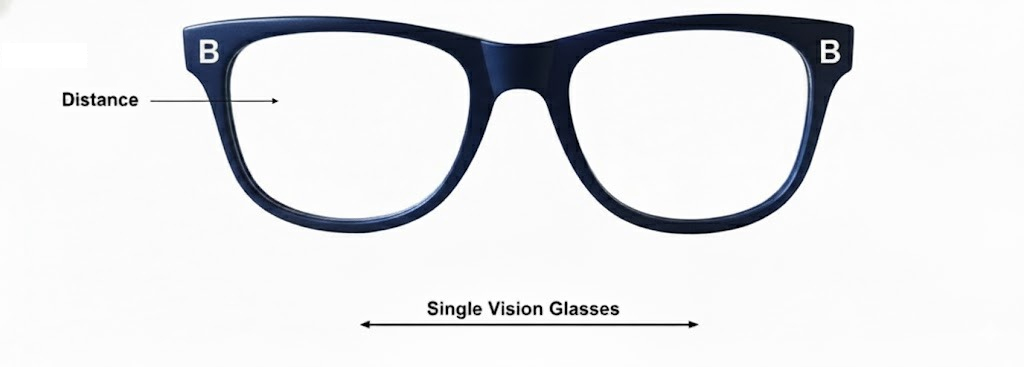
Best for: Everyday wear, reading, or distance vision.
Description:
Single vision lenses have the same optical focal power across the entire lens. They are designed to correct one field of vision — either near (for reading) or distance (for driving, walking, or watching TV).
Educational Tip:
If you are below 40 and only need glasses for distance or near work, single vision lenses are the perfect, affordable choice.
👁️🗨️ 2. Bifocal Lenses
Best for: People needing both near and distance vision correction.
Description:
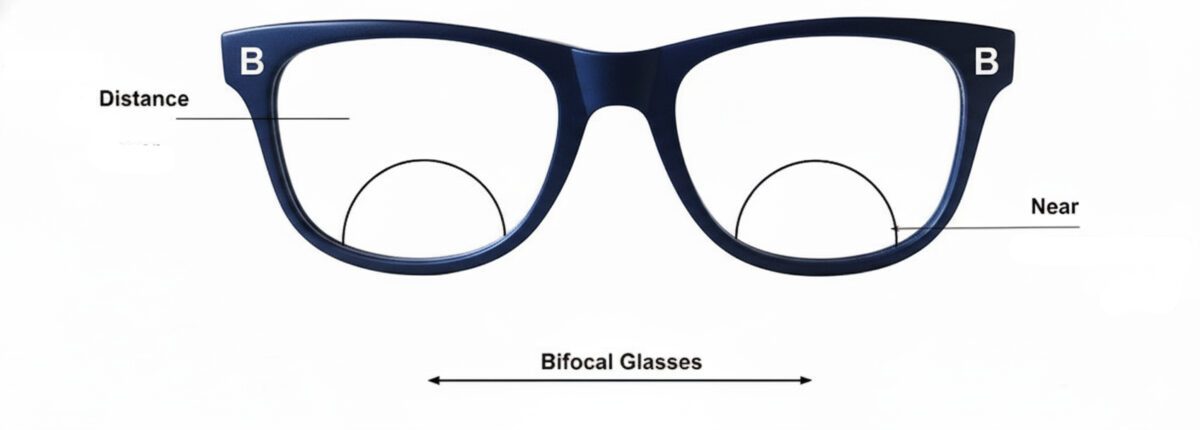
Bifocal lenses are divided into two distinct sections —
Upper part: for distance vision
Lower part: for reading or close-up tasks
They help users avoid switching between two different pairs of glasses.
Educational Tip:
Ideal for those over 40 with presbyopia — difficulty focusing on near objects. You’ll notice a visible line separating the two vision zones.
🌈 3. Progressive Lenses (No-Line Bifocals)
Best for: All-day wear for people who need multiple vision corrections.
Description:
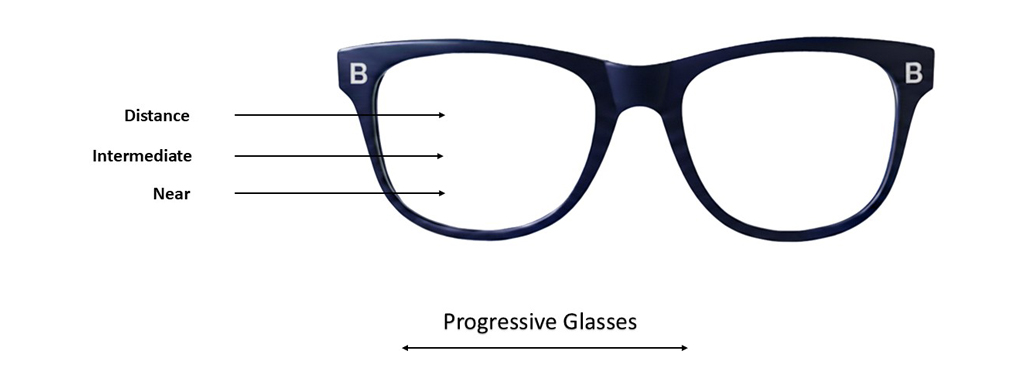
Progressive lenses offer a smooth, gradual transition between near, intermediate, and distance vision — without visible lines.
This gives a more natural visual experience and a younger look.
Educational Tip:
Perfect for people who multitask — reading, using a computer, and walking around — all without removing their glasses.
Coatings
⚪ 1. White (Standard) Coating
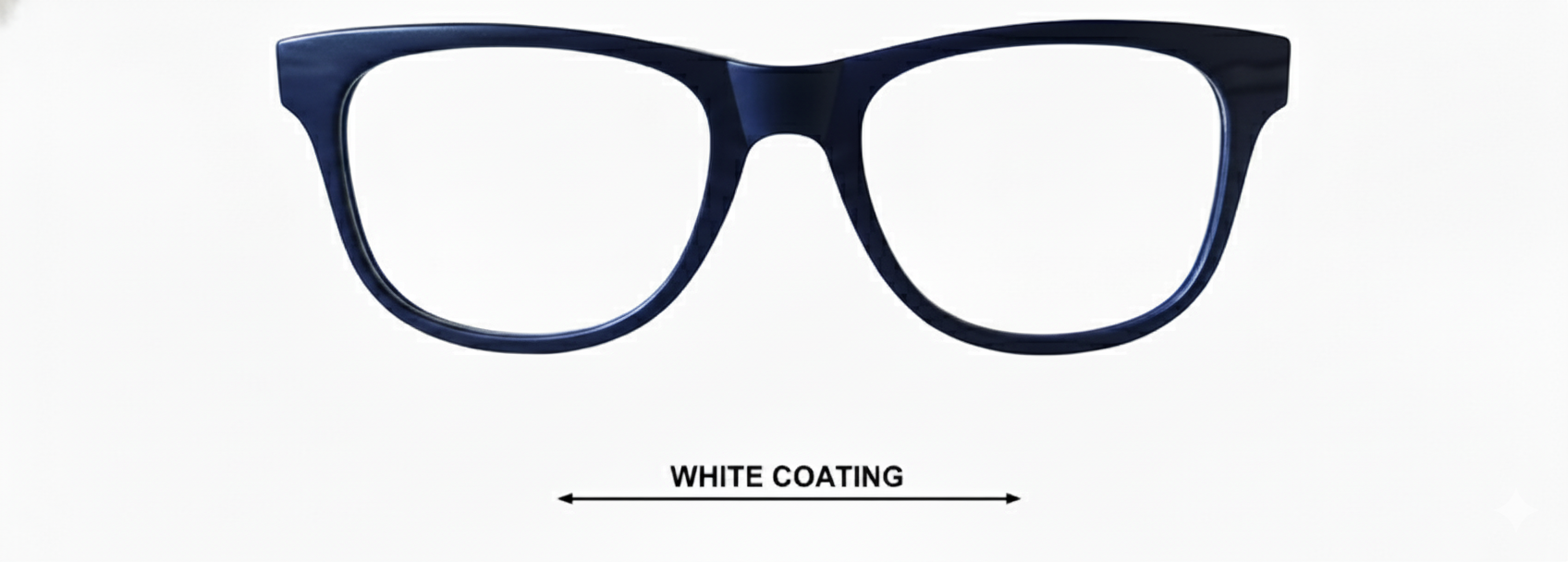
Best for: Basic protection and clarity.
Description:
Standard lenses come without additional coatings — clear, lightweight, and affordable. They offer basic protection and are ideal for indoor or occasional use.
Educational Tip:
Recommended for users who need simple correction without exposure to digital screens or sunlight.
💻 2. Computer Protection (Blue Light Filter)
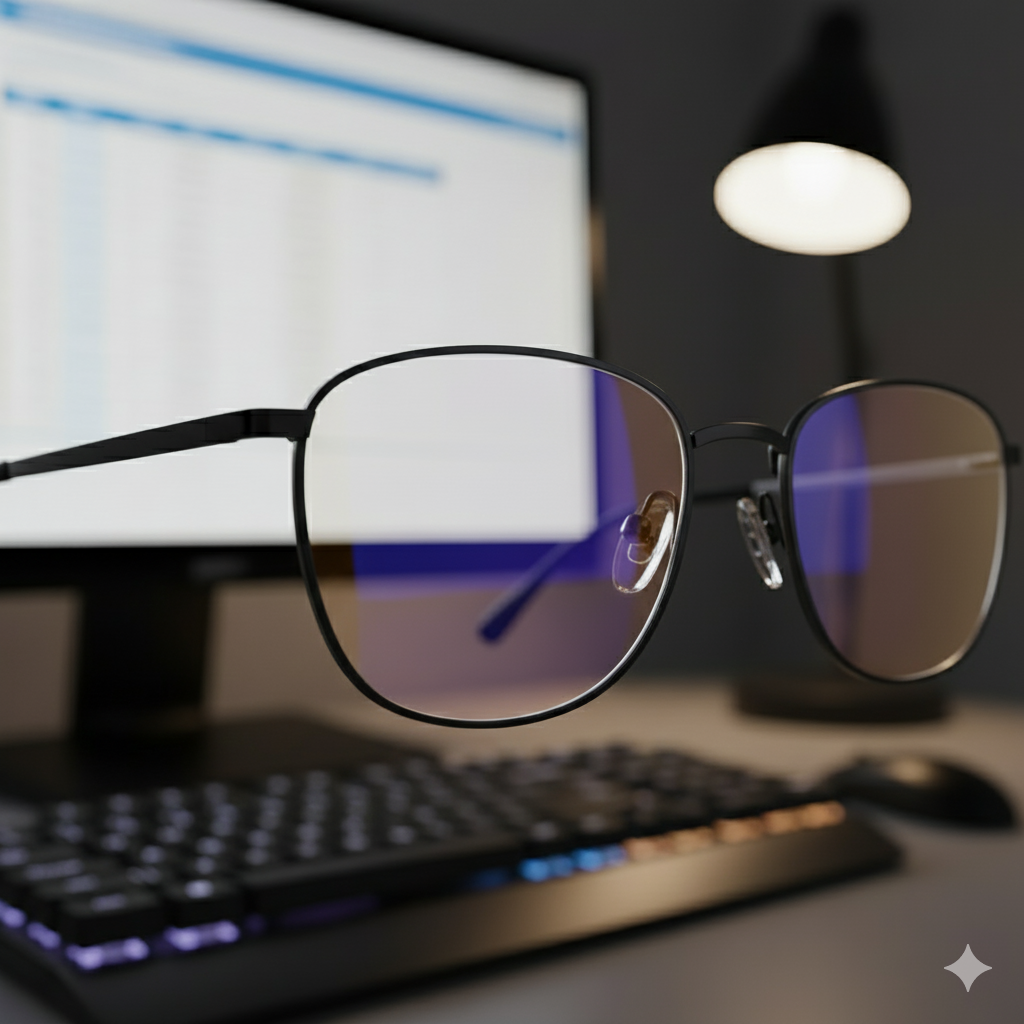
Best for: Office workers, students, and digital users.
Description:
Computer protection lenses block harmful blue light emitted from screens — reducing eye strain, headaches, and sleep disruption.
Educational Tip:
Perfect for people spending 4+ hours daily on computers, tablets, or phones. These lenses help reduce fatigue and keep your eyes comfortable.
🌞 3. Sun Protection (Photochromic or UV Coating)
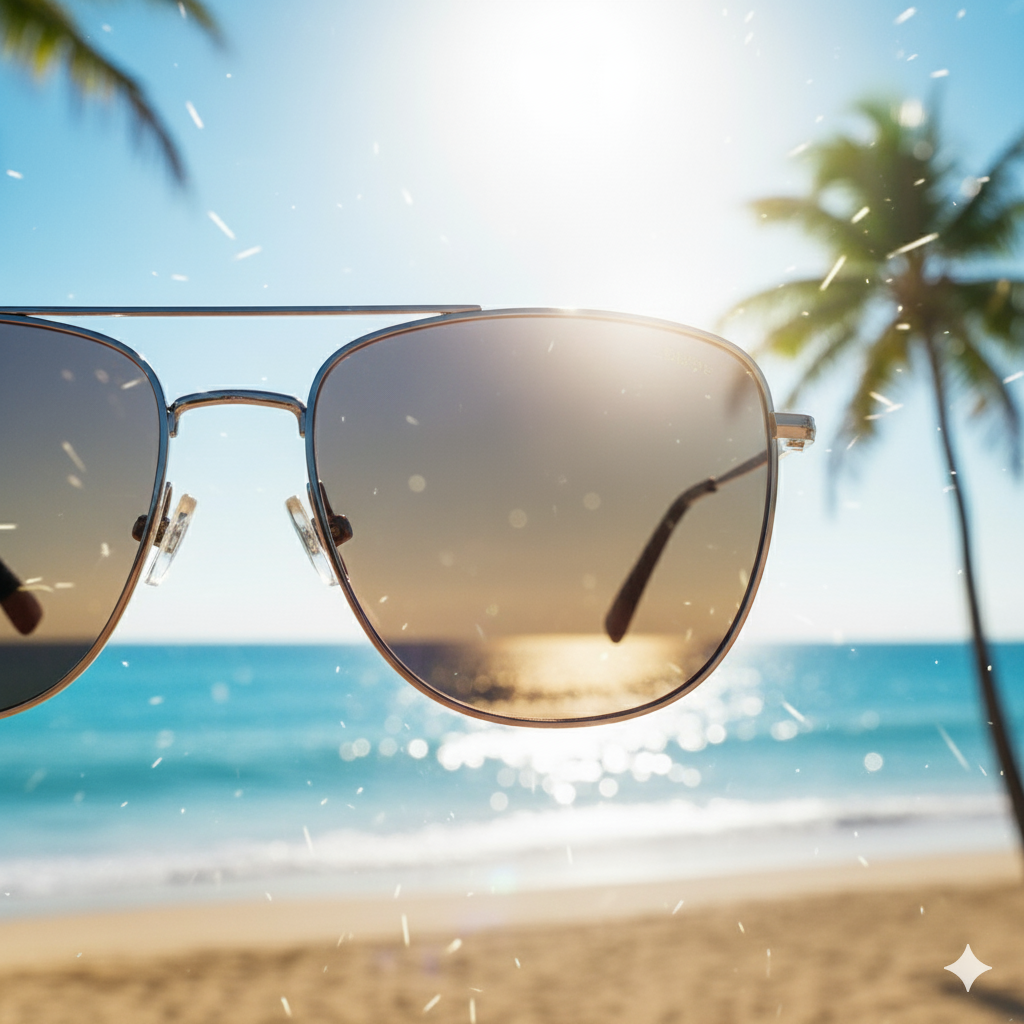
Best for: Outdoor and all-day use.
Description:
Sun protection lenses automatically darken in sunlight and turn clear indoors. They protect your eyes from UV rays and glare, making them excellent for people who move between indoors and outdoors frequently.
Educational Tip:
Choose photochromic lenses for smart sun adaptation or polarized lenses for anti-glare clarity during driving.
💡 Final Advice
Choosing the right combination of Lens Type + Coating ensures comfort, clarity, and protection tailored to your lifestyle.
Example 1: Single Vision + Sun Protection = Ideal for outdoor use, offering clear distance vision with UV protection.
Example 2: Bifocal Lens + Blue Light Coating = Perfect for Regular Users, providing comfort for both distance and reading.
Example 3: Progressive Lens + Sun Protection = Great for active individuals who move between indoor and outdoor environments, ensuring smooth vision transitions ideal for Computer Users.